
Exploring the Use Cases of RFID Technology
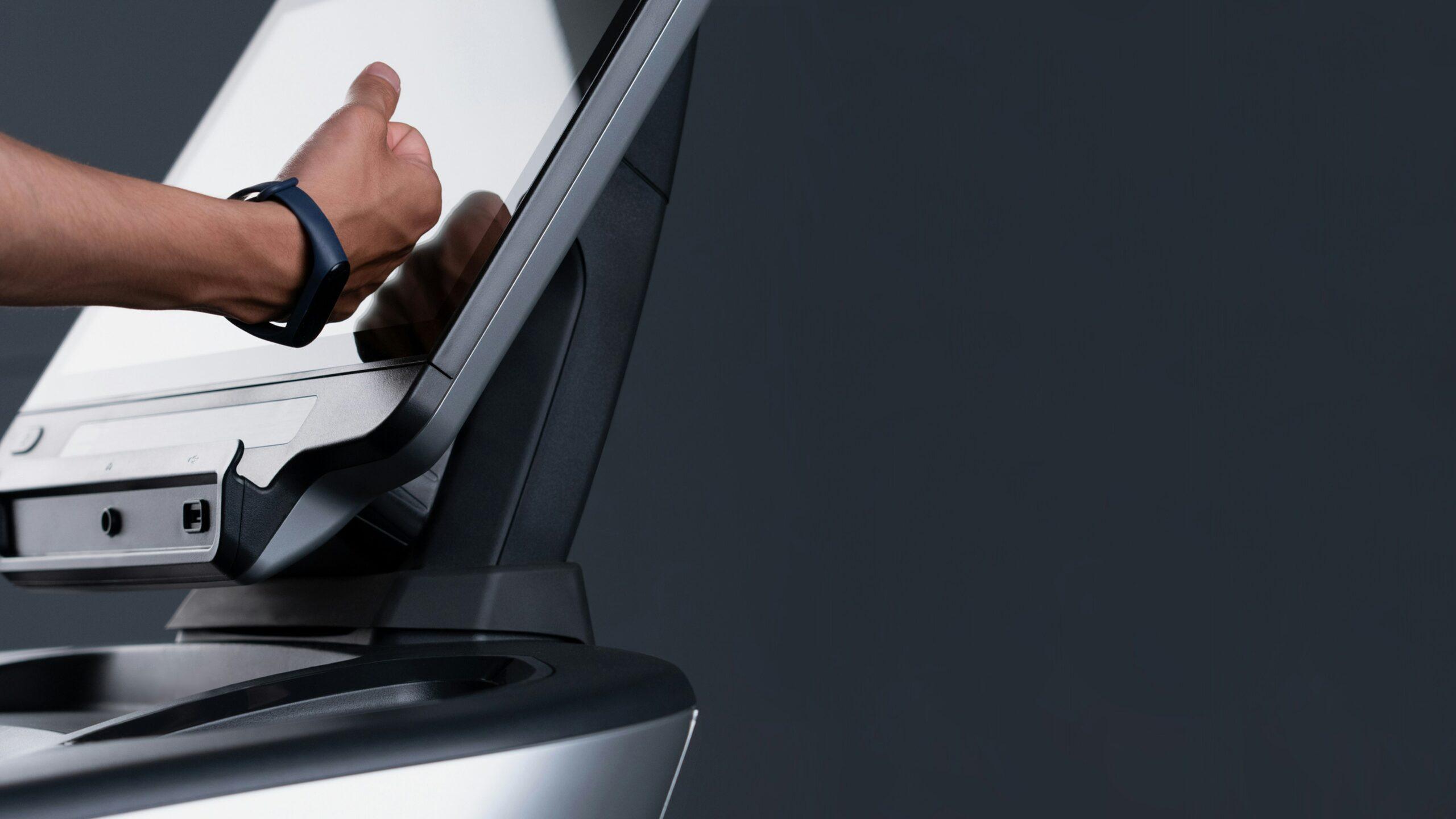
Introduction to RFID Technology
Radio Frequency Identification (RFID) technology is a sophisticated system that uses electromagnetic fields to automatically identify and track tags attached to objects. At its core, RFID comprises three primary components: tags, readers, and antennas. The tags, equipped with microchips and antennas, store and transmit information to the readers, which interpret and relay the data to central databases or software systems. Antennas facilitate the communication between tags and readers, enabling efficient data exchange.
RFID systems can generally be categorized into three types: active, passive, and semi-passive. Active RFID systems are powered by an internal battery, allowing long-range communication and real-time tracking. In contrast, passive RFID systems do not have an internal power source and rely entirely on the electromagnetic energy transmitted by the RFID reader. Semi-passive RFID systems combine elements of both, featuring an internal battery to operate the microchip and using the reader’s signal to communicate data.
RFID technology operates across various frequency ranges, namely low frequency (LF), high frequency (HF), and ultra-high frequency (UHF). LF systems (30 kHz to 300 kHz) offer short read ranges and are commonly used for animal tracking and access control. HF systems (13.56 MHz) provide moderate read ranges and are frequently employed in inventory management and contactless payment solutions. UHF systems (300 MHz to 3 GHz) deliver long read ranges and are integral to supply chain logistics and item-level tracking.
The history of RFID dates back to the mid-20th century, with its origins linked to radar and radio communication technologies developed during World War II. Over the decades, advancements in semiconductor technology and wireless communication led to the refinement of RFID systems, culminating in their widespread commercial adoption in the late 20th and early 21st centuries. Today, RFID is a ubiquitous technology found in various industries, including retail, healthcare, transportation, and agriculture, providing innovative solutions for tracking, identification, and data collection.
Retail and Supply Chain Management
RFID technology is increasingly becoming a pivotal element in transforming the retail and supply chain sectors. This technology provides unparalleled advantages, particularly in inventory management, by enabling real-time visibility into stock levels and precise location tracking. This capability allows retailers to maintain optimal inventory levels, reducing the chances of stockouts and overstocking while also affording a comprehensive understanding of product movements within the supply chain.
Moreover, RFID’s utility extends to theft prevention. By embedding RFID tags in merchandise, retailers can significantly enhance security measures, efficiently deter theft, and reduce shrinkage rates. The integration of RFID systems enables real-time monitoring and alerts, thereby fortifying loss prevention strategies.
In addition to its operational benefits, RFID technology enhances the customer experience notably. Smart fitting rooms equipped with RFID readers provide shoppers with detailed product information and personalized recommendations based on their preferences. Retailers can harness this data to offer tailored marketing efforts, thereby increasing customer engagement and satisfaction.
Case studies of companies that have successfully implemented RFID technology reveal significant benefits. For instance, American Apparel’s adoption of RFID to manage their inventory has streamlined their operations, drastically reducing the time required for stock counts from hours to mere minutes. This shift has not only improved accuracy but also resulted in considerable cost savings.
Similarly, Walmart’s extensive use of RFID in its supply chain has led to enhanced efficiency and precision in inventory tracking. This implementation has allowed Walmart to maintain a robust supply chain, ensuring that products are consistently available on shelves, enhancing customer satisfaction.
These examples underscore the profound impact of RFID technology in retail and supply chain management. The benefits, ranging from improved operational efficiency and cost savings to enhanced security and customer experience, illustrate the substantial value RFID continues to bring to the industry.
Healthcare and Pharmaceuticals
RFID (Radio-Frequency Identification) technology has emerged as a transformative tool in the healthcare and pharmaceutical sectors. It offers robust solutions for tracking medical equipment, managing patient identification, and ensuring the integrity and authenticity of pharmaceuticals. By leveraging RFID, healthcare providers and pharmaceutical companies can enhance their operational efficiency, patient safety, and comply with stringent regulatory requirements.
One of the most significant applications of RFID in healthcare is for tracking medical equipment. Hospitals can use RFID tags to monitor the location and utilization of critical medical devices, ensuring they are available when and where needed. This real-time tracking reduces the risk of equipment loss or theft, decreases downtime, and optimizes resource allocation. Additionally, RFID aids in the maintenance and sterilization processes by providing detailed usage data and maintenance history.
Patient identification and management is another crucial area where RFID technology excels. RFID wristbands containing patient-specific information can help ensure accurate medical record management, reduce the risk of medication errors, and streamline hospital workflows. This technology enhances patient safety by preventing mix-ups and ensuring that the right treatment is administered to the correct patient every time.
In the pharmaceutical industry, RFID plays a pivotal role in ensuring the safety and authenticity of medications. RFID tags can be embedded in pharmaceutical packaging, enabling precise tracking throughout the supply chain. This capability helps combat counterfeiting and ensures that only genuine medications reach pharmacies and patients. Furthermore, RFID can monitor the environmental conditions, such as temperature and humidity, in which sensitive medications are stored. This is particularly critical for pharmaceuticals that require refrigeration or specific storage conditions to maintain their efficacy.
Several hospitals and pharmaceutical companies have successfully integrated RFID technology into their operations. For instance, Mount Sinai Medical Center and Cedars-Sinai Medical Center have implemented RFID systems to enhance patient tracking and hospital asset management. In the pharmaceutical sector, companies like Pfizer and GlaxoSmithKline use RFID to track drug shipments and ensure compliance with regulatory standards. These implementations demonstrate significant improvements in operational efficiency, patient safety, and regulatory compliance, showcasing the immense benefits of RFID technology in these sectors.
Future Trends and Challenges in RFID Technology
The future of RFID technology promises significant advancements, most notably in the areas of sensor integration, miniaturization, and enhanced data processing capabilities. With the Internet of Things (IoT) becoming an intrinsic part of everyday life, RFID technology is poised to play a crucial role. Emerging use cases are expanding beyond traditional applications, extending into IoT ecosystems, autonomous vehicles, and smart city infrastructures.
One of the exciting trends is the integration of RFID with advanced sensors, allowing for real-time monitoring and data acquisition. This development enables not only the identification of objects but also the gathering of valuable environmental data, such as temperature, humidity, and pressure. Miniaturization is another significant trend, making RFID tags smaller, lighter, and more versatile. This evolution allows them to be embedded in a wide range of products, from medical devices to smart textiles, enhancing their functionality and scope.
In autonomous vehicles, RFID can enhance navigation and object detection systems, enabling safer and more efficient operation. Smart cities can leverage RFID technology to optimize traffic management, waste collection, and energy consumption, fostering a more sustainable and connected urban environment. These advancements promise to unlock new dimensions of automation and intelligence across various sectors.
However, as with any technological advancement, RFID faces numerous challenges that must be addressed to fully realize its potential. Privacy concerns are paramount, as the ability to track and monitor individuals or assets raises significant ethical and legal questions. Ensuring robust data security is critical to protect against unauthorized access and potential misuse of sensitive information. Interference issues also pose a technical challenge, as the proliferation of wireless devices can lead to signal disruption and reduced efficiency.
To address these challenges, ongoing research and development efforts are crucial. Industry experts are exploring innovative solutions, such as the deployment of advanced encryption techniques, the development of interference-resistant tags, and the establishment of comprehensive regulatory frameworks. As the technology continues to advance, the collaboration between researchers, industry stakeholders, and policymakers will be vital in mitigating challenges and enhancing RFID applications.
Overall, the future of RFID technology holds great promise, driven by continued innovation and a focus on overcoming existing limitations. Its potential in emerging fields like IoT, autonomous vehicles, and smart cities could revolutionize the way we interact with our environment, making our world more connected, efficient, and intelligent.